
Concrete Steps & Stairs
Safe, durable steps that provide secure access to your home or building.
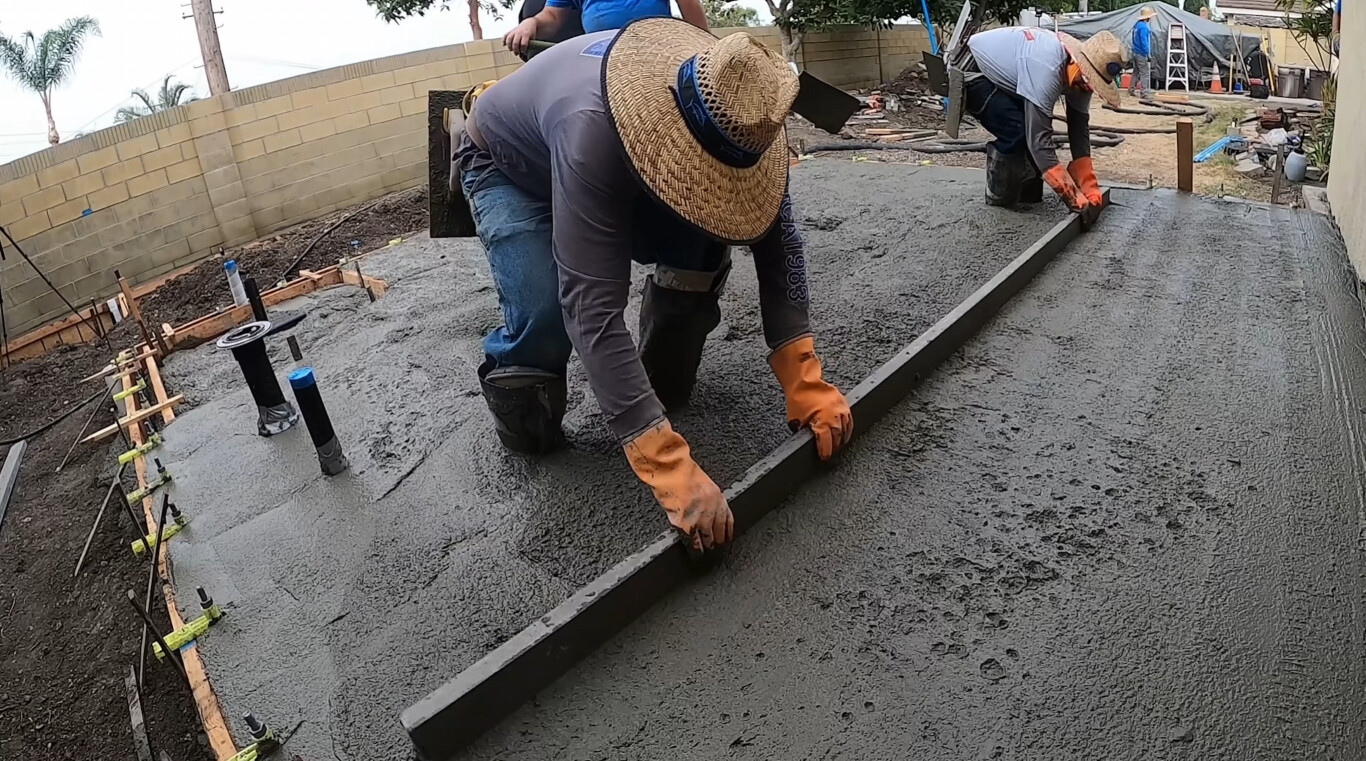
Why Steps and Stairs Matter
Your steps serve as the primary entrance to your home or building. They need to be safe, stable, and built to handle daily use in all weather conditions. Poorly constructed steps create safety hazards, look bad, and deteriorate quickly. Well-built concrete steps provide decades of reliable service while contributing to your property curb appeal.
Concrete makes perfect sense for exterior steps because it handles Florida weather without rotting, warping, or becoming slippery. Unlike wood that needs constant maintenance or metal that rusts, concrete steps require minimal care. They stay solid and safe year after year. The key is building them correctly from the start with proper dimensions, adequate reinforcement, and appropriate finishes.
Here is what quality concrete steps provide:
- Safe, non-slip surfaces even when wet
- Consistent step dimensions that prevent tripping
- Structural strength that handles heavy loads
- Weather resistance in all seasons
- Low maintenance compared to other materials
- Customizable design to match your property
Building Steps the Right Way
Step Dimensions and Code Requirements
Building codes specify step dimensions for good reasons. Steps must have consistent riser heights and tread depths or people will trip. The typical range is six to eight inch risers with 10 to 12 inch treads. We calculate the exact dimensions based on your total rise and the number of steps needed. Every step must match precisely because even a quarter inch difference creates a tripping hazard.
Width matters too. Residential steps should be at least 36 inches wide, while commercial steps need 44 inches or more depending on building occupancy. Handrails become required once you have more than three risers. We know these code requirements and build your steps to meet them. This ensures safety and prevents problems when you sell your property or need inspections.
Foundation and Support
Steps need solid foundations just like any other concrete structure. We excavate to stable soil, pour adequate footings, and ensure the steps connect properly to your house or landing. This prevents settling that would create gaps or uneven steps over time. We also slope the treads slightly forward for drainage so water does not pool on your steps.
For attached steps, we tie them into your foundation or landing with reinforcing steel. This creates a structural connection that prevents separation. Freestanding steps need adequate mass and proper footing design to remain stable. We size everything appropriately based on your specific situation and local soil conditions.
Finishing and Safety Features
We finish step surfaces with textures that provide traction without being rough enough to cause injury. A broom finish works well, or we can create subtle patterns that add visual interest while maintaining safety. We round the front edges of treads slightly to prevent chipping and create a more finished appearance. For extra safety, we can embed traction strips or use special coatings that improve grip.
We can also incorporate design elements like curved edges, colored concrete, or stamped patterns that coordinate with your landscaping. Steps do not have to look plain and utilitarian. With thoughtful design, they become attractive features that enhance your property while still performing their primary function safely.
Types of Steps We Build
Entry steps connect your front or back door to ground level. These are the most common type of residential steps and usually range from two to six steps depending on your foundation height. We design them to match your home style and coordinate with your walkways and other flatwork. Width and finish depend on your preferences and budget, but we always meet code requirements for safety.
Basement access stairs typically descend alongside your foundation to a basement door. These need proper drainage because they collect water, especially during heavy rain. We design the approach with adequate slope away from the stairs and often include drain systems at the bottom. The steps themselves must be built sturdy enough to handle snow removal equipment if needed in winter.
Interior concrete stairs work well in commercial buildings, parking structures, or residential basements. These follow different code requirements than exterior steps and often need specific finishes for the intended use. We can leave them plain for painting, create smooth trowel finishes, or add non-slip treatments appropriate for the location. Interior stairs usually get more traffic than exterior steps, so we reinforce them accordingly.
Landscape steps let you navigate slopes in your yard without trampling through plantings or creating erosion. These can be formal steps with consistent dimensions or more informal steps that flow with your terrain. We also build steps that integrate with retaining walls, pool areas, or patio levels. Each application requires different design considerations, but all need proper construction to remain safe and stable. For any concrete project, we bring the same attention to detail regardless of size or complexity.
Frequently Asked Questions
Need New Steps or Repairs?
Contact us for a free estimate. We will assess your needs and provide a detailed quote.
(813) 535-8650