Concrete Leveling
Fix sunken concrete quickly and affordably without tearing out and replacing it.
Why Concrete Sinks and How We Fix It
Concrete does not sink because of problems with the concrete itself. The slab stays solid, but the soil underneath washes away, settles, or compresses. This creates voids beneath your concrete, and gravity pulls the slab down into those empty spaces. Once a section starts sinking, it keeps getting worse as more soil erodes and water flows into the gap.
You end up with uneven surfaces that create trip hazards, allow water to pool, and look terrible. Many people assume they need to tear out the sunken concrete and pour new slabs. That approach works, but it costs far more than necessary and creates weeks of disruption. Concrete leveling offers a better solution that costs a fraction of replacement while delivering immediate results.
Here is what makes concrete leveling the smart choice:
- Costs 50 to 70 percent less than concrete replacement
- Completed in hours instead of weeks
- Uses your existing concrete instead of creating waste
- Eliminates trip hazards and drainage problems immediately
- Allows you to use the surface within 24 hours
- Provides permanent support that prevents future settling
How Concrete Leveling Works
The Leveling Process
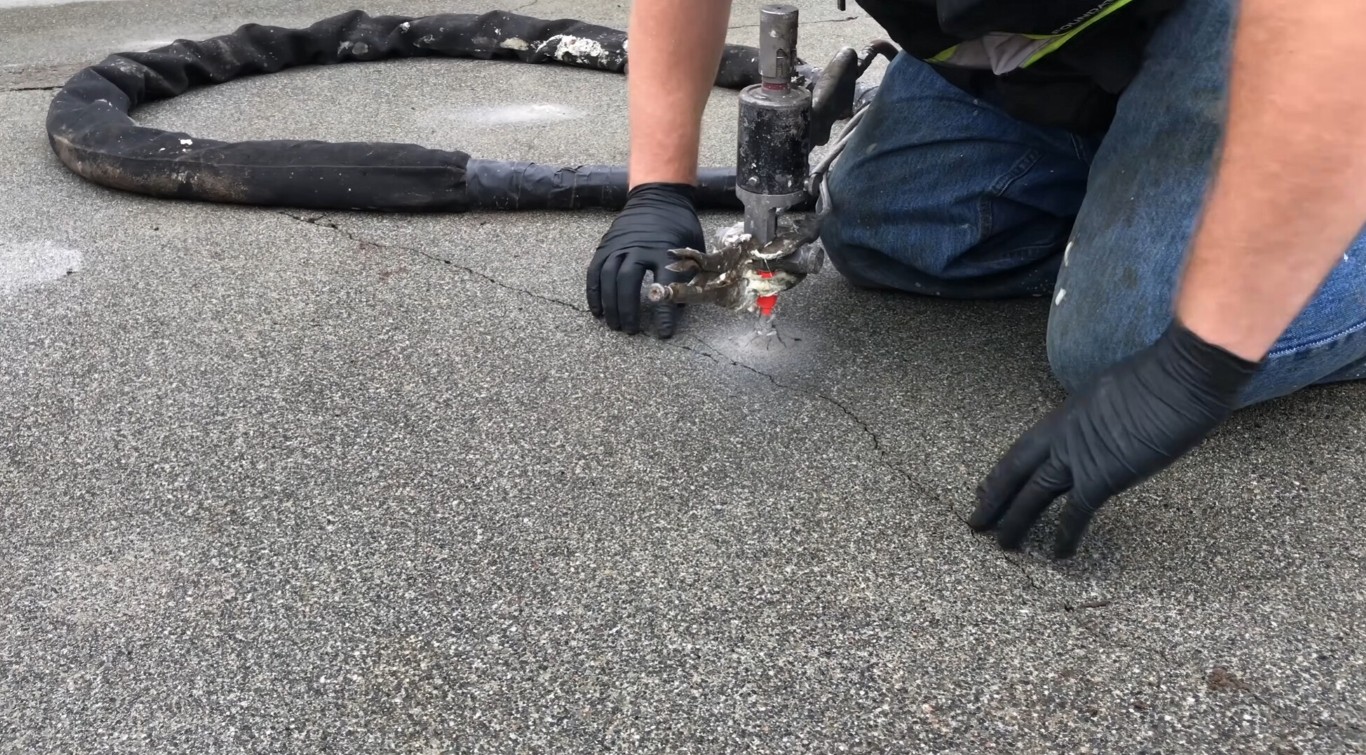
We drill small holes through the sunken concrete at strategic locations. Then we pump a specialized material underneath the slab through those holes. As the material fills the voids, it expands and lifts the concrete back to its original height. We monitor the lifting process carefully and stop when the slab reaches the correct level. The whole process happens quickly, usually taking just a few hours for typical residential applications.
After leveling, we seal the injection holes so they blend with your existing surface. The material we pump underneath cures rapidly and creates solid support that will not wash away or compress like the original soil did. Your concrete ends up stronger than before because it now sits on stable material instead of problematic soil.
Materials We Use
We use polyurethane foam for most leveling projects. This lightweight material expands to fill voids, lifts concrete effectively, and cures waterproof. Polyurethane will not wash out over time, resists compression better than soil, and adds minimal weight to the subsoil. The foam also helps seal against future water intrusion that could cause more settling.
For some applications, we use a cement-based slurry mixture. This traditional approach works well when you need extra mass or when polyurethane is not appropriate for your specific situation. We assess your concrete and site conditions to determine which material gives you the best long-term results.
What We Can Level
Concrete leveling works for driveways, sidewalks, patios, garage floors, basement floors, and pool decks. If your concrete has sunk but remains structurally sound, we can probably level it. The technique works best on slabs that have settled evenly or tipped in one direction. Severely cracked concrete or slabs broken into many pieces may need replacement instead, but we evaluate each situation individually and give you honest recommendations.
When to Choose Leveling vs. Replacement
Leveling makes sense when your concrete has sunk but remains in good structural condition. Look at the surface closely. If you see extensive cracking throughout, large broken sections, or severe spalling where the surface is flaking away, replacement might be your better option. But if the concrete looks decent except for being uneven, leveling will restore it to perfect functionality.
The amount of settling also matters. We can typically lift concrete that has sunk up to four or five inches. Beyond that, the process becomes less practical and replacement might cost about the same. We measure the settling during our inspection and explain your options honestly. If leveling will work well, we recommend it. If replacement makes more sense, we tell you that instead.
Consider what caused the settling before deciding. If tree roots pushed soil away, drainage problems washed soil out, or poorly compacted fill settled, we need to address those issues regardless of whether you level or replace. Leveling costs less initially, but if the underlying problem will cause new settling elsewhere on your property, you might want to combine leveling with drainage improvements or other preventive measures.
Many of our customers choose to level their concrete now and budget for eventual replacement years down the road. This approach makes financial sense because leveling costs so much less. You restore safety and function immediately, then replace the concrete when convenient or when the existing slab finally wears out. Either way, you avoid the immediate expense and disruption of total replacement while eliminating trip hazards and drainage problems. For more extensive damage that requires replacement, we handle complete concrete replacement as well.
Frequently Asked Questions
Fix Your Sunken Concrete Today
Call us for a free inspection. We will assess your concrete and explain your options.
(813) 535-8650